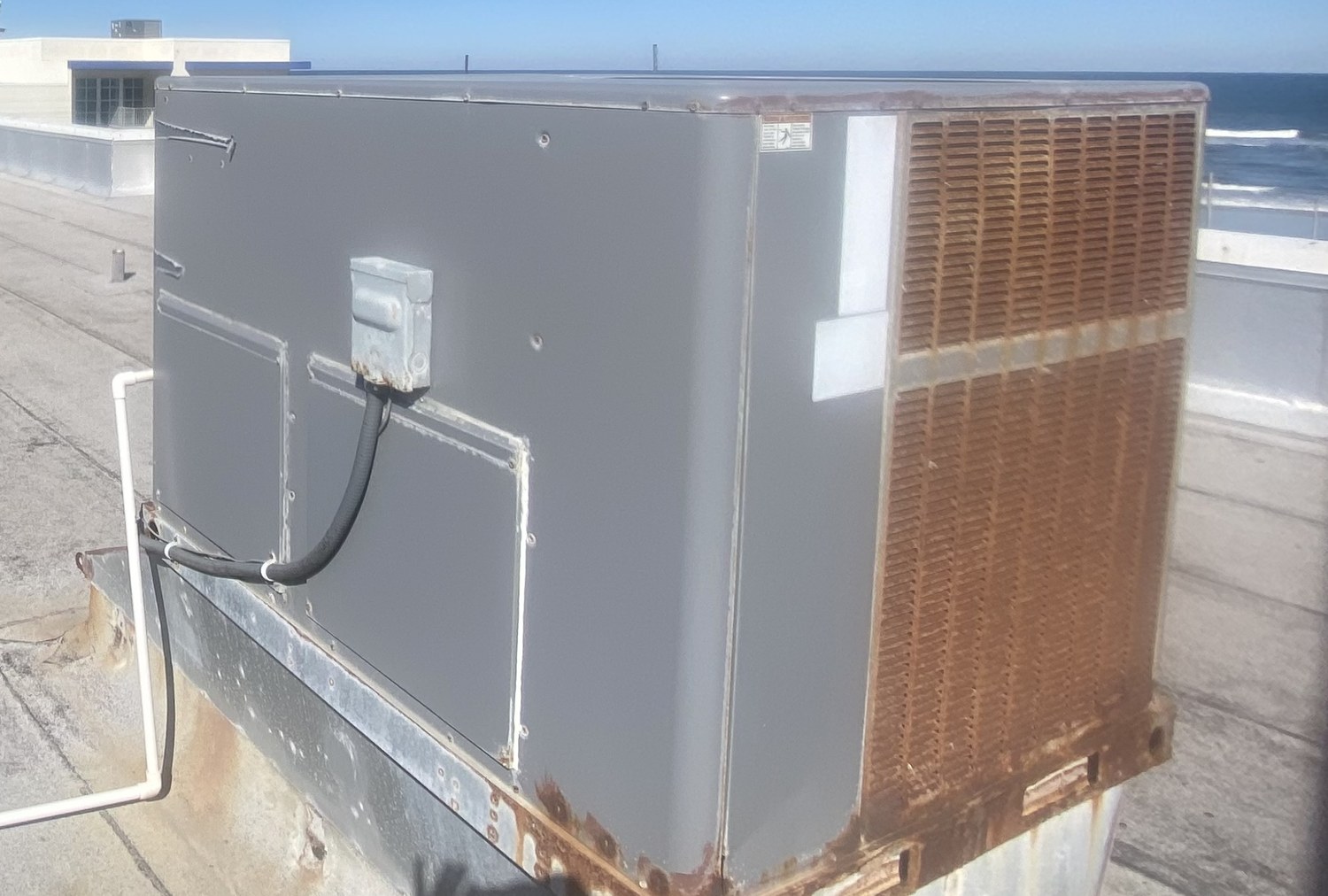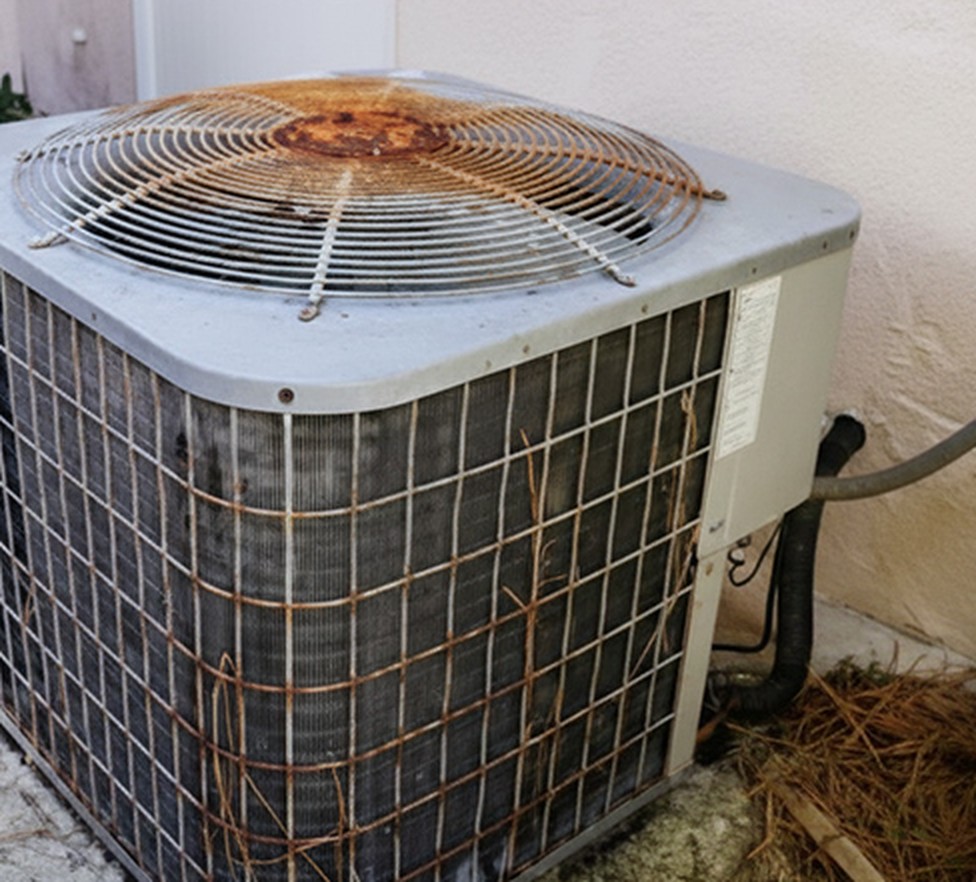
Corroded equipment is a maintenance problem and a cost problem. It is also a climate problem, because of what is inside the coil.
A global issue
An analysis of Oak Ridge National Laboratory population data by Cosby and Lebakula finds that about 15% of the world's people live within 10 km of the coast and about 29% within 50 km. Wherever air conditioning, refrigeration, and heating equipment sits in that salty air, it corrodes faster.
Why refrigerant matters
Air conditioners, heat pumps, and refrigeration systems run on refrigerants, and many are potent greenhouse gases. Global warming potential (GWP) compares a gas with carbon dioxide over 100 years. R-410A, the dominant residential air conditioning refrigerant since about 2010, has a GWP of 2,088, so one pound that escapes traps as much heat as roughly 2,088 pounds of CO2.
What an escape is worth
A typical home system holds roughly 6 to 10 pounds of refrigerant, and EPA puts the U.S. average near 10. As an example, 8 pounds of R-410A is about 16,700 pounds of CO2 equivalent, or 7.6 metric tons, if all of it escapes.
Keeping equipment in service longer
Corrosion is a leading cause of coil failure, and a pinhole in corroded tubing lets refrigerant escape. Extending the life of coastal equipment delays replacement and reduces the chance of leaks along the way.
What is proven and what is not
The figures above are published estimates, not Salt-Safe test results. Independent testing is planned, and we intend to publish what we learn.
See the full analysis, with sources, on our climate impact page.
Salt-Safe, Inc. is a Delaware public benefit corporation in Daytona Beach, Florida, developing the Guardian, a patent-pending system that protects coastal HVAC equipment from salt air corrosion.