We have submitted an application for the 2027 Wilkes Climate Innovation Prize. We do not know the outcome, and we are not announcing a win. We are sharing why we applied because the reasoning says a lot about where Salt-Safe is today.
What the prize is
The prize is run by the Wilkes Center for Climate Science and Policy at the University of Utah. It is a single grand prize of $250,000 in non-dilutive funding, which means the Center takes no equity or ownership in the company. Applications closed on November 20, 2026. Semi-finalists are notified in January 2027, finalists in February, and the winner is announced in September 2027.
Where we are
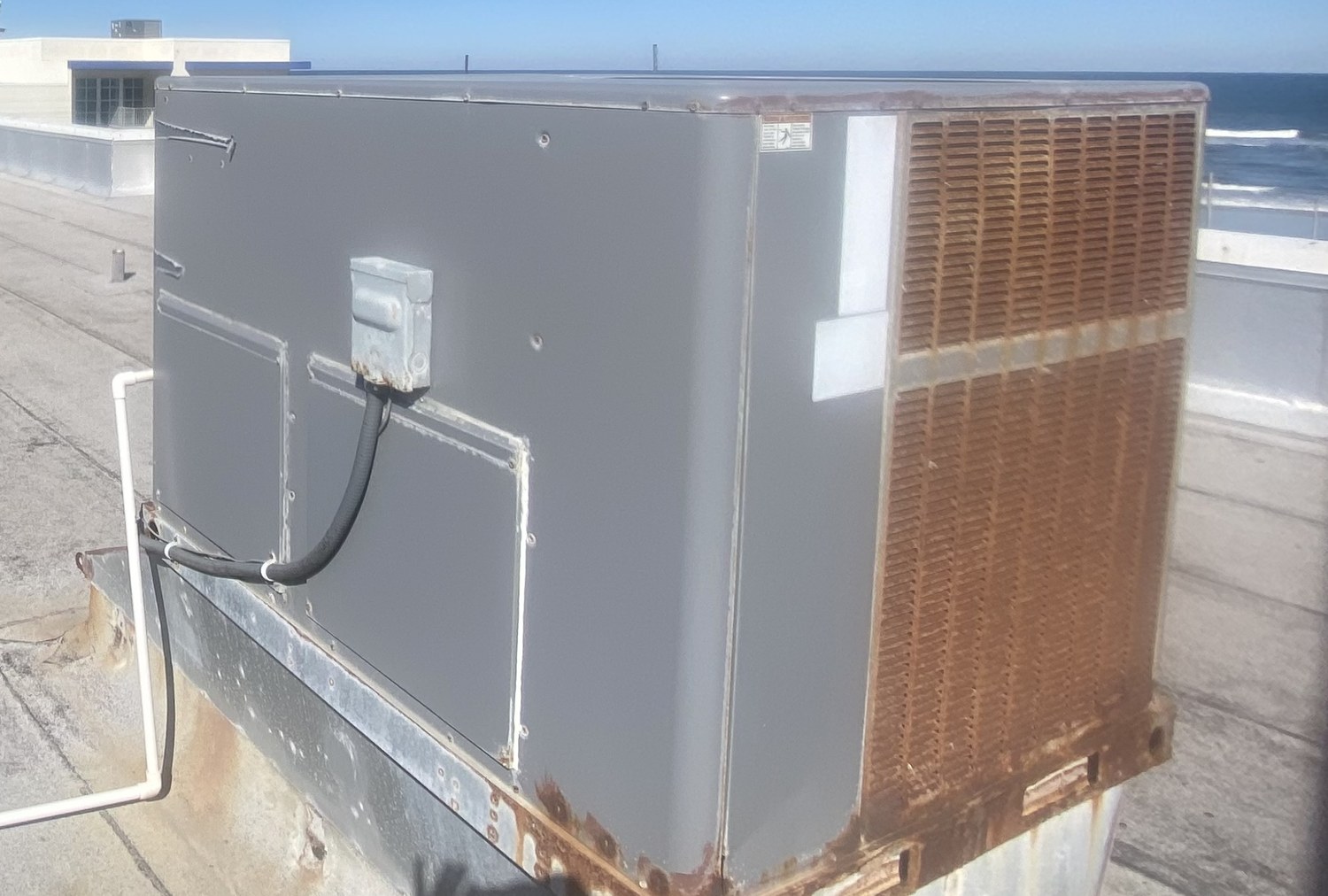
Salt-Safe has been testing prototypes of the Guardian in the field for nearly two years. We still service the field units every two weeks, and what we have learned from those visits has gone into improved designs and patent filings. We have paying customers and a manufacturing partner. We do not have outside funding.
What we do not have yet is independent data. Installers, distributors and property managers tell us they want third-party results before they commit, and that is a fair thing to ask. Our own field experience is encouraging, but it is not a laboratory result.
Why a non-dilutive prize fits
Raising equity at this stage would mean selling a meaningful share of the company at an early valuation to pay for work that a prize can fund without giving up ownership. Federal development grants are another route, and we plan to pursue them, but they are slower and more competitive. A prize that backs testing and measurement is a close match for the gap we have.
How we would use it
If we are selected, the money would go to three things, plus a capped amount for overhead:
- Independent testing. Accelerated salt exposure testing at an accredited laboratory and long-term exposure testing on the Florida coast, to set the spray pattern, run time and frequency for the commercial design.
- Production readiness. Tooling and first production units with our manufacturing partner.
- Field pilots. Metered installations at coastal sites, so we can measure results on real equipment over time.
The point of all three is data we can publish: equipment lifespan, energy use and refrigerant results.
What would tell us we are wrong
The application asked what would show that the approach is not viable. Our answer was simple. If testing shows no meaningful difference in corrosion between protected and unprotected equipment, or pilot units show no improvement after a year, we will know the idea does not work as we believe, and we will say so.
Where we found it
We found the prize through the Grant Finder on EnterTheAquarium.com, a platform for entrepreneurs that our founder also runs. Aquarium collects grants, pitch competitions and other funding opportunities in one place so founders do not have to hunt for them.
Whether or not we are selected, independent testing is the next step for Salt-Safe, and we will keep sharing how it goes. If you would like to follow along, join the waitlist.
Salt-Safe, Inc. is a Delaware public benefit corporation in Daytona Beach, Florida, developing the Guardian, a patent-pending system that protects coastal HVAC equipment from salt air corrosion.